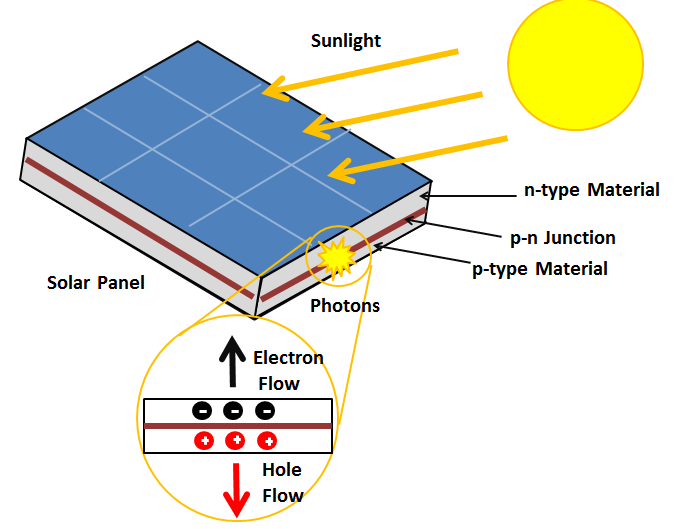
Photovoltaic cells, also known as solar cells, are devices that convert sunlight directly into electricity. These cells have the potential to revolutionize the way we harness and use energy. One of the key benefits of photovoltaic cells is that they allow energy to be used immediately.
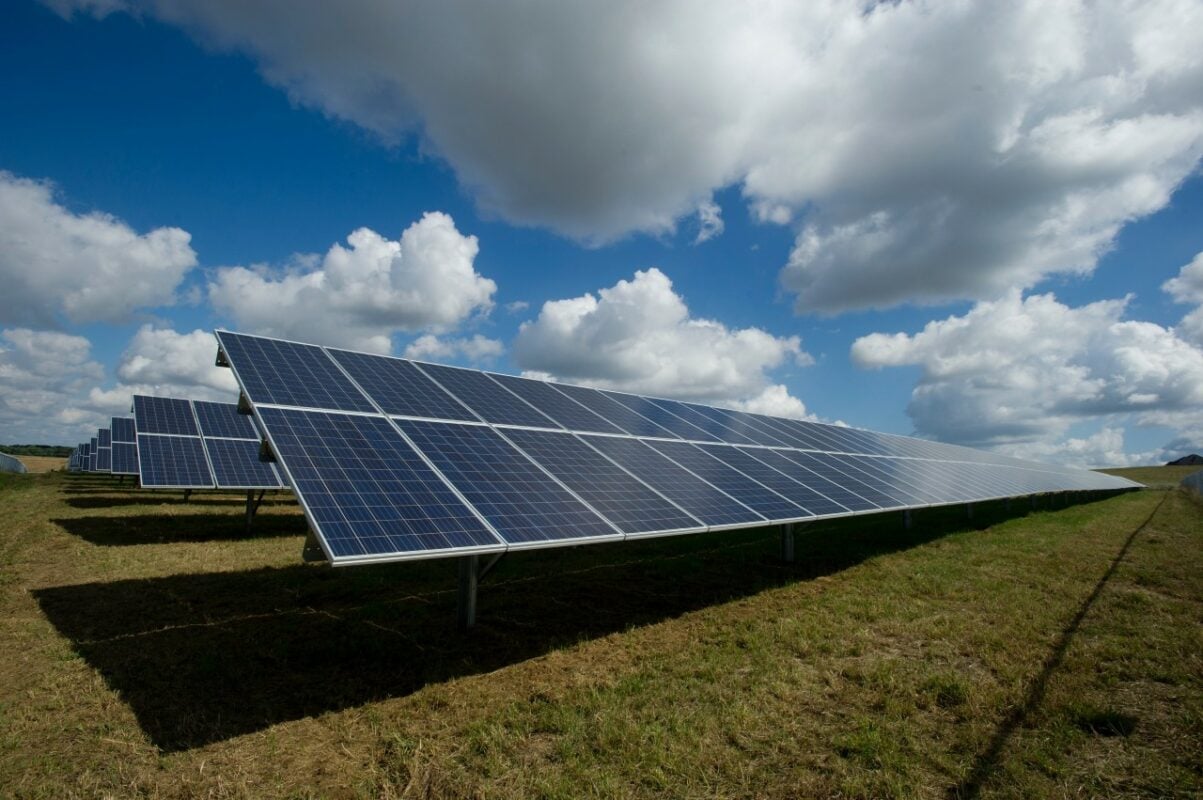
The Function of Photovoltaic Cells
Photovoltaic cells are made from materials such as silicon, which can produce an electric current when exposed to sunlight. When light photons strike the cell, they knock electrons loose from their atoms, allowing them to flow through the material to produce electricity. This electricity can then be used to power a wide range of devices and systems.Immediate Energy Use
Unlike some forms of renewable energy, such as wind or hydro power, which may require energy storage systems to provide a consistent power supply, photovoltaic cells can generate electricity instantly. This means that the energy produced from solar panels can be used as soon as it is created, making it a highly efficient and practical energy source.Applications in Residential Settings
Photovoltaic cells are commonly used in residential settings to power homes. The electricity generated by solar panels during the day can be used immediately to run appliances, lighting, and heating and cooling systems. Any excess electricity can be fed back into the grid or stored for later use, further enhancing the flexibility and reliability of solar power.