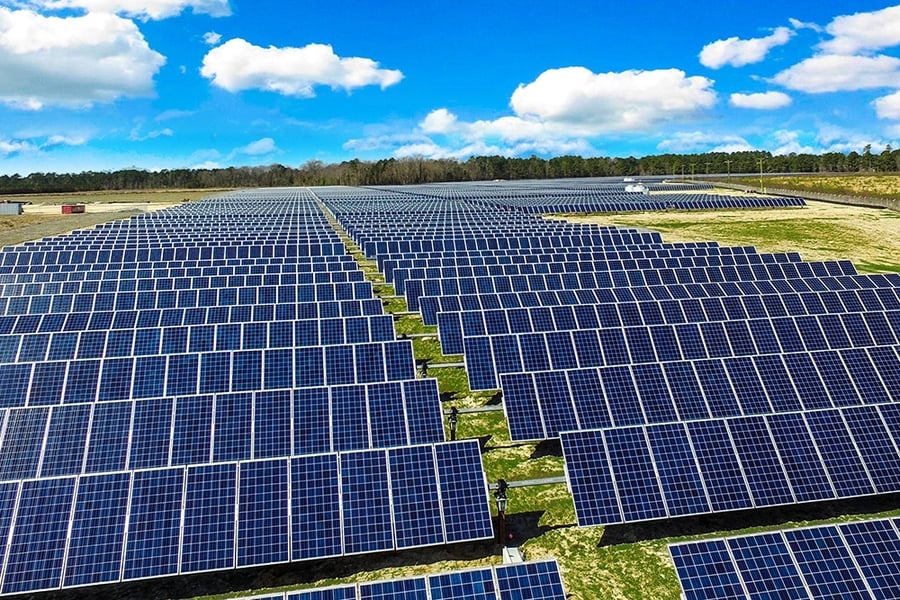
Photovoltaic solar panels, also known as solar PV panels, are a popular form of renewable energy technology used to convert sunlight into electricity. These panels are made up of multiple solar cells, which are made from semiconductor materials, such as silicon.
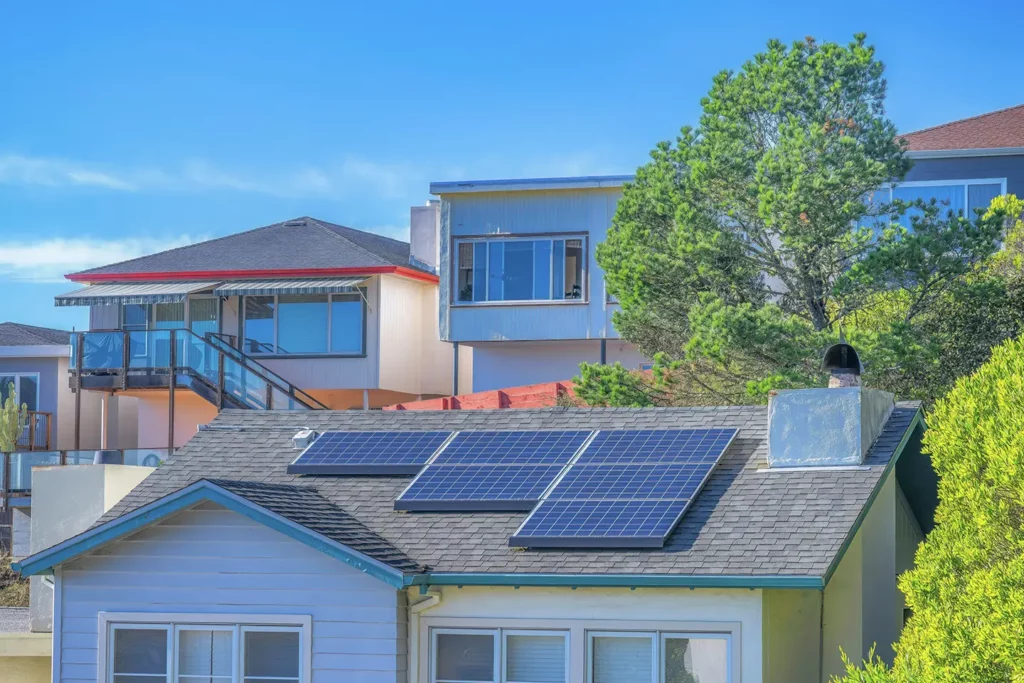
How do photovoltaic solar panels work?
When sunlight hits the solar panels, the solar cells absorb the energy from the sunlight, which causes the electrons in the cells to become energized. This creates an electric field across the layers of the solar cell, which then causes electricity to flow. This electricity can then be used to power electrical devices or be stored in batteries for later use.Photon Absorption
The first step in the process of generating electricity from solar panels is photon absorption. When sunlight hits the solar panels, photons from the sunlight are absorbed by the solar cells. This absorption of photons generates an electric current which flows through the solar panels.Creation of Electric Field
As the photons are absorbed by the solar cells, the energized electrons are released. This creates an electric field across the layers of the solar cell. This electric field then causes the flow of electricity, which can be harnessed for various applications.