How Photovoltaic Cells Work

Introduction to Photovoltaic Cells
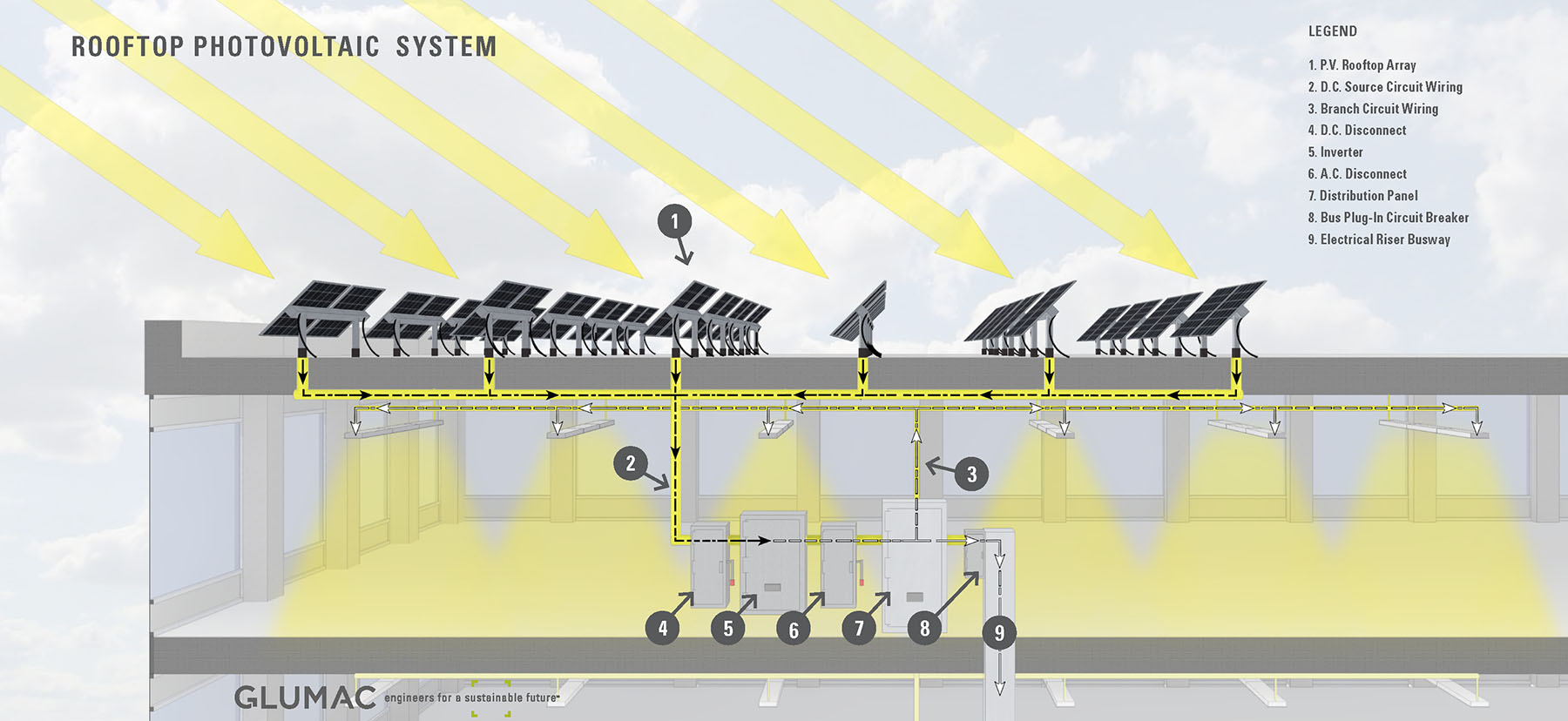
Photovoltaic cells, also known as solar cells, are devices that convert sunlight directly into electricity. They are made of semiconductor materials such as silicon, which have the ability to absorb photons from sunlight and release electrons, thus generating an electric current.The Structure of a Photovoltaic Cell
A typical photovoltaic cell consists of several layers of different materials. The top layer is a thin semiconductor material, usually made of silicon. This layer is specially designed to absorb sunlight and release electrons. Below the semiconductor layer is a layer of metal, which carries the released electrons away from the cell to be used as electricity. The bottom layer is another layer of semiconductor material, creating a junction that helps make the cell more efficient.The Working Principle of Photovoltaic Cells
When sunlight hits the semiconductor layer of the photovoltaic cell, it excites the electrons within the material, causing them to break free from their atoms and create a flow of electric current. This electric current is then collected by the metal layer and transmitted out of the cell as usable electricity.