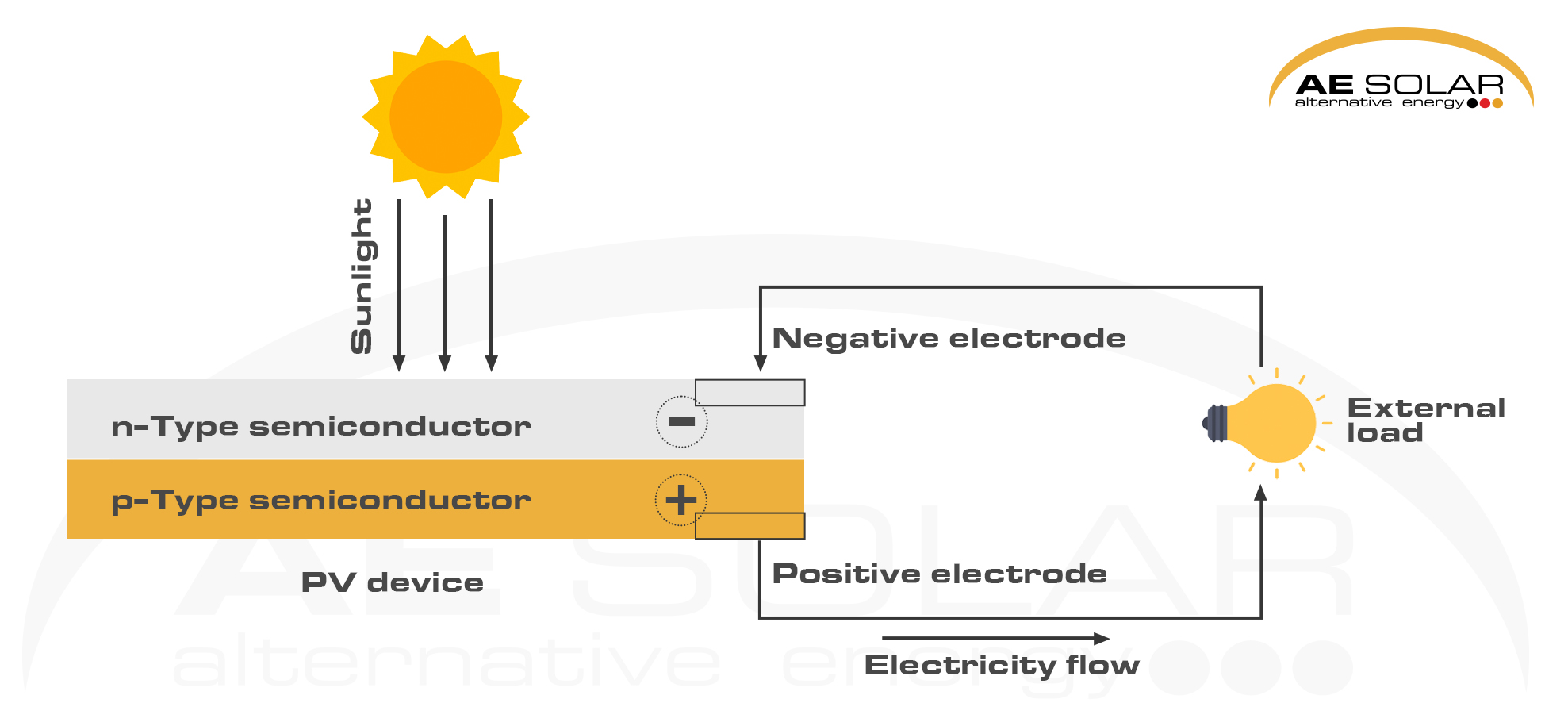
Photovoltaics, also known as solar panels, have been widely used to generate clean and renewable energy for various applications. With the growing concern over transportation energy emissions and their impact on the environment, utilizing photovoltaics to power vehicles and solve transportation energy emissions has become an important focus. In this article, we will explore how photovoltaics can be used to address transportation energy emissions and reduce the carbon footprint of the transportation sector.
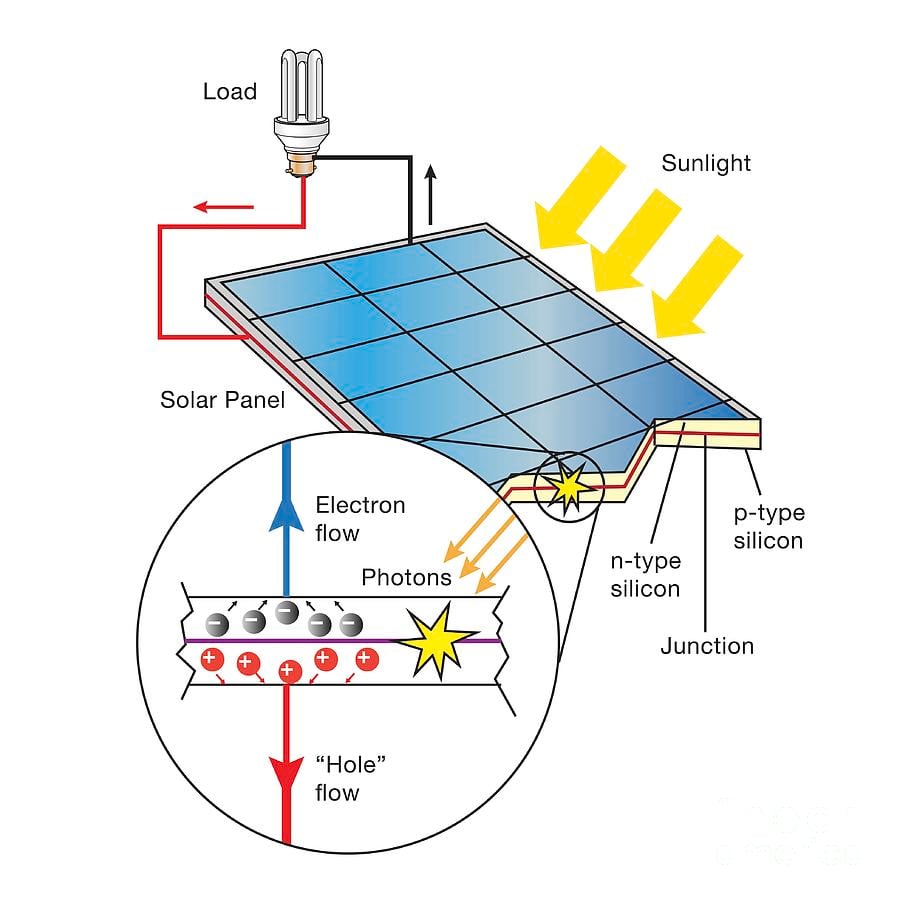
How photovoltaics can be integrated into transportation
Photovoltaics can be integrated into transportation in several ways. One of the most common applications is the use of solar panels to power electric vehicles (EVs). Solar panels can be installed on the roof or other parts of an EV to harness sunlight and convert it into electricity. This solar-generated electricity can then be used to charge the EV’s battery, effectively reducing the need for grid electricity and decreasing the vehicle’s carbon emissions. Additionally, solar-powered charging stations can be set up along roads and highways to provide sustainable energy for EVs on the go.The benefits of using photovoltaics in transportation
Integrating photovoltaics into transportation offers several benefits. Firstly, it reduces the reliance on fossil fuels for transportation, thereby lowering greenhouse gas emissions and combating climate change. Secondly, it promotes energy independence by utilizing clean and renewable solar energy to power vehicles, thus reducing the overall environmental impact of transportation. Thirdly, it can potentially lower the operating costs of EVs by providing free and sustainable solar energy for charging.Factors to consider when using photovoltaics for transportation
When using photovoltaics for transportation, several factors need to be considered. The efficiency and durability of the solar panels are crucial, as they directly impact the amount of energy generated and the longevity of the system. Additionally, the installation and integration of solar panels into vehicles must be carefully planned to ensure functionality and safety. Furthermore, the availability of sunlight and the geographical location play a significant role in determining the effectiveness of solar-powered transportation.