Photovoltaic technology has been gaining popularity in recent years as a clean and renewable energy source. But what exactly are photovoltaic panels and how do they work?
What are Photovoltaic Panels?
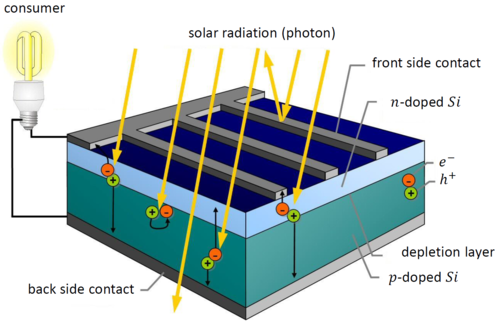
Photovoltaic panels, also known as solar panels, are devices that convert sunlight into electricity. They are made up of multiple solar cells, which are responsible for capturing the sunlight and converting it into electricity. These cells are typically made of semiconductor materials such as silicon, which have the ability to generate an electric current when exposed to sunlight.How Do Photovoltaic Panels Work?
When sunlight hits the photovoltaic panels, the solar cells absorb the energy and generate an electric current. This direct current (DC) is then converted into alternating current (AC) by an inverter, making it suitable for use in homes and businesses. The electricity generated by the photovoltaic panels can be used to power appliances, lighting, and other electronic devices.Advantages of Photovoltaic Panels
There are several advantages to using photovoltaic panels as a source of electricity. Firstly, they are environmentally friendly as they produce clean and renewable energy. They also reduce dependency on non-renewable energy sources such as fossil fuels, which helps to lower carbon emissions and combat climate change. Additionally, photovoltaic panels can also help reduce electricity bills as they generate energy directly from sunlight.