
The Active Element in Most Photovoltaic Cells
Introduction
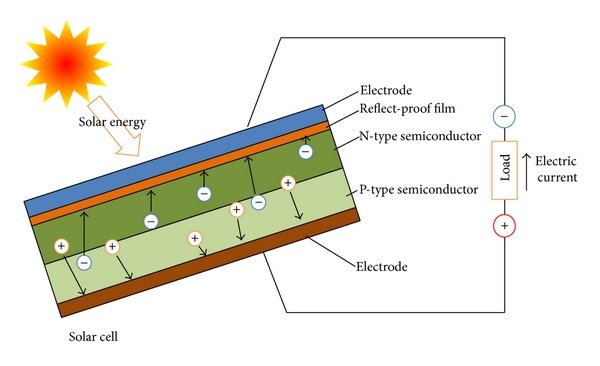
In the world of renewable energy, photovoltaic cells play a crucial role in converting solar energy into electricity. These cells are made up of various materials that work together to harness the power of the sun. One of the key components of photovoltaic cells is the active element, which is responsible for capturing and converting sunlight into usable electrical energy.What is the Active Element?
The active element in most photovoltaic cells is silicon. Silicon has become the predominant material used in solar cell technology due to its abundance and effectiveness in converting sunlight into electricity. When light strikes the silicon in a photovoltaic cell, it causes the material to release electrons, which can then be harnessed to create an electric current.Other Photovoltaic Cell Materials
While silicon is the most common active element in photovoltaic cells, there are other materials that can also be used. These include cadmium telluride, copper indium gallium selenide, and gallium arsenide. Each of these materials has its own unique properties and advantages, making them suitable for specific applications and environments.