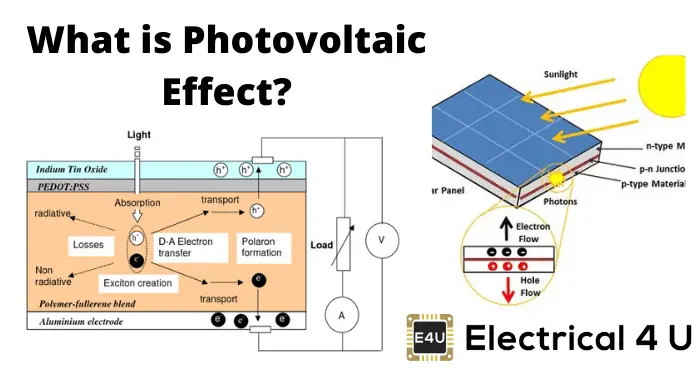
Photovoltaic energy, also known as solar energy, was discovered in 1839 by a French physicist named Alexandre-Edmond Becquerel. It all started when he observed the photovoltaic effect while experimenting with an electrolytic cell made up of two metal electrodes placed in an acidic solution. This momentous discovery paved the way for the development of solar cells and the harnessing of solar energy as a renewable and sustainable source of power.
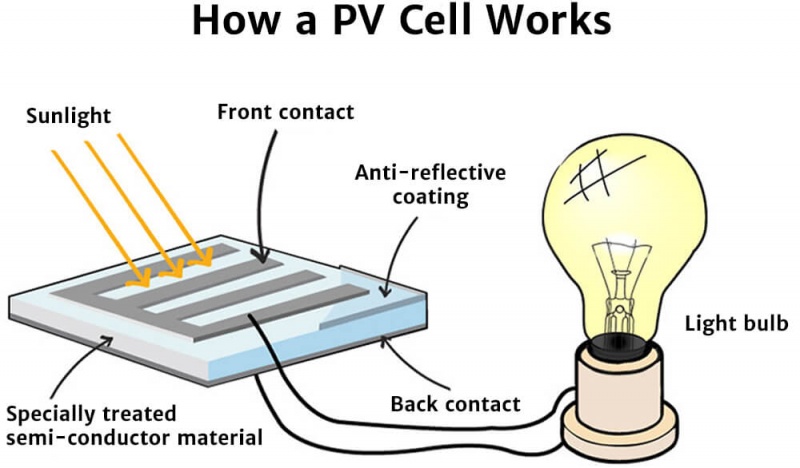
The Discovery of Photovoltaic Energy
Becquerel’s discovery of photovoltaic energy occurred when he noticed that an electric current was generated when the cell was exposed to light. This perplexing phenomenon ultimately led to the realization that light could be converted directly into electricity. This discovery was a breakthrough in the field of renewable energy and laid the foundation for the development of solar technology.Early Development and Applications
Following the discovery of photovoltaic energy, scientists and engineers around the world began to explore the potential applications of solar cells. In 1954, Bell Laboratories created the first silicon photovoltaic cell, marking a significant milestone in the development of solar technology. Over the years, advances in technology have led to the widespread adoption of photovoltaic systems for various applications, including powering spacecraft, providing electricity to remote areas, and contributing to the global push towards clean energy.Modern Innovations and Advancements
Since its discovery, photovoltaic energy has seen remarkable advancements and innovations. The efficiency and affordability of solar cells have significantly improved, making solar energy an increasingly attractive option for power generation. In recent years, the development of new materials and technologies has further enhanced the performance of solar cells, driving the growth of the solar energy industry worldwide.